Overview

01.Getting Started with Shift

This guide covers the app, your headset, and the recording rules you need to submit clear, eligible footage with Shift.


02.What You Need Before You Start

Have your approved phone, headset, payout details, and a reliable internet connection ready before you begin.

Shift operator preparing to record at a job site

Your phone

Use an approved iPhone or Android that is charged and connected to Wi-Fi.

Check approved devices

Your headset

Have the phone mount attached and ready to tighten before fitting it.

Payout details

Keep your bank routing and account number nearby for weekly payouts.


03.Signing Up on the App

Download Shift, create your account, set up weekly payouts, and enter your partner code.

1

Download the Shift app

Visit go-shift.app on your phone to install the correct version.

Download the Shift app
2

Create your account

Sign in with Google, Apple, or your phone number and complete your contact details.

3

Set up weekly payouts

Select “Bank Transfer,” then add your routing and account number.

4

Enter your partner code

Use the code from your flyer, finish registration, and start your first eligible recording.


04.Setting Up Your Headgear

Attach your phone securely and adjust the headset so the camera captures your hands and work area.

1

Attach the phone mount

Secure the mount to the headset before inserting your phone.

2

Fit and tighten the headset

Adjust each strap until the headset stays stable while you move.

3

Aim the camera at your work

Keep the phone horizontal and angle it down toward your hands and tools.


05.3 Keys to High Scores: ACE

Your payouts depend on recording quality. Use ACE—Action, Camera, and Environment—to produce high-scoring footage and earn more.

1

Action: What should you record?

Record a real, eligible hands-on task where your hands, tools, and work process stay visible from start to finish.
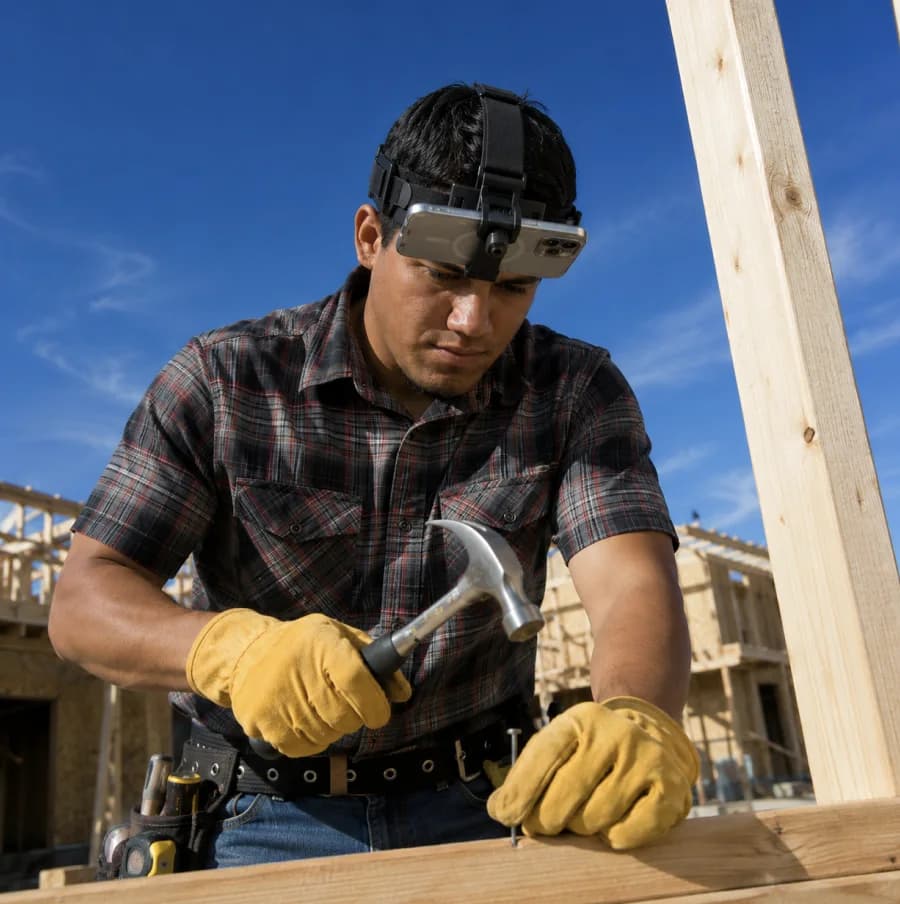
Carpenter wearing the Shift headset while hammering timber

Hammering nails

Person lying in bed and scrolling on a phone

Scrolling on your phone

2

Camera: How should you frame it?

Mount your phone horizontally and angle it down so your hands, tools, and entire work surface remain clearly in frame.


Correct horizontal phone angle tilted toward the work area

Landscape and downward

Incorrect vertical phone angle facing away from the work area

Portrait and upward

3

Environment: Is your workspace ready?

Record in a bright workplace or outdoor setting with even lighting, a clear work area, and no private-home interiors.
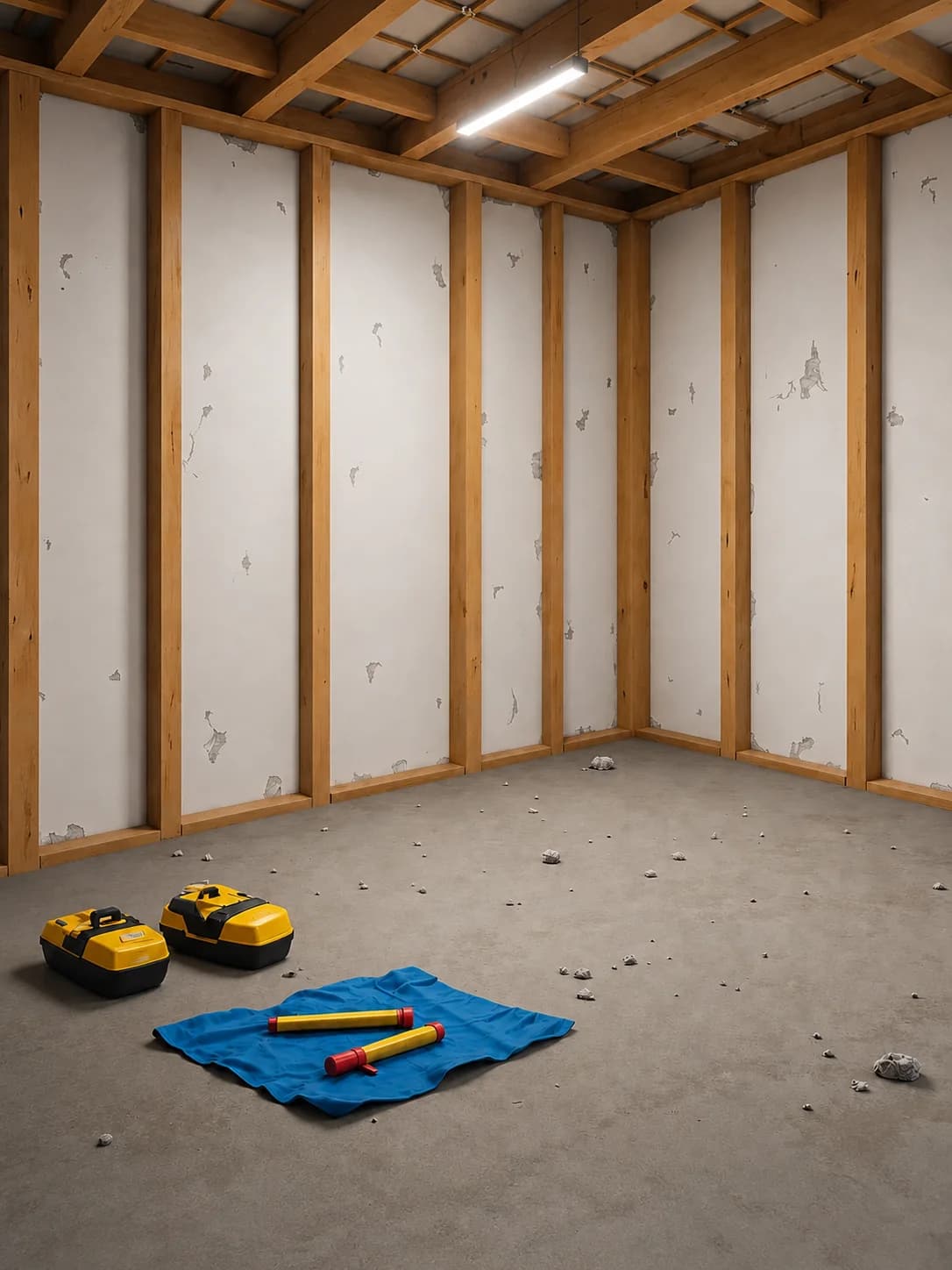

Bright, evenly lit construction workspace with tools clearly visible

Bright workspace

Construction workspace shown too dark to record clearly

Dark workspace


06.Maximize Recording Earnings

Record in approved work environments—not private homes—to improve your acceptance rate and earn more from usable footage.

Shift operator recording hands-on work at an outdoor job site✓ Allowed

Workplaces and outdoor settings

Auto shops, restaurants, job sites, farms, industrial cleaning, gardens, and other real work environments can qualify.

Shift operator recording a task inside a private home× Not allowed

Inside private homes

Do not record inside houses or apartments, including household chores, in-home cleaning, or other residential services.

Browse accepted tasks

07.Accepted Tasks

Search for your industry or the hands-on task you want to record. This directory is a guide, not a comprehensive list.

Landscaping

Mowing and edgingCut grass and clean up lawn edges around paths, beds, and curbs.
Hedge trimmingShape hedges with hand shears or a powered trimmer.
Leaf blowing and rakingGather leaves and outdoor debris into piles for cleanup.
Planting and transplantingDig, position, and secure plants in soil or containers.
Weeding and mulchingRemove unwanted growth and spread mulch around plants.
Pruning shrubs or small treesCut back branches to shape growth and remove damaged sections.
Preparing garden bedsClear, turn, level, and prepare soil for planting.
Spreading soil or compostMove and distribute soil, compost, or amendments by hand.
Irrigation and hose repairConnect, test, adjust, or repair hoses and watering components.
Fence and gate repairRealign, fasten, patch, or replace damaged fence and gate parts.
Pressure washing hardscapesClean patios, paths, walls, and other hard outdoor surfaces.
Loading and organizing materialsMove, sort, stack, and stage tools or landscaping supplies.

Construction

Drywall hanging and patchingMeasure, fasten, fill, and smooth drywall panels or repairs.
Brick and block layingSet masonry units, apply mortar, and maintain straight courses.
Framing and measuringMeasure, mark, align, and fasten structural framing materials.
Sawing and drillingCut or bore material while keeping the tool and workpiece visible.
Sanding and surface prepSmooth surfaces and prepare them for paint, finish, or installation.
Painting and caulkingApply coatings or seal joints with controlled hand-tool work.
Tile setting and groutingPlace, space, level, and grout tile across a prepared surface.
Insulation installationMeasure, cut, fit, and secure insulation in cavities.
Hardware and fixture installationPosition and fasten handles, brackets, fixtures, or fittings.
Concrete prep and finishingMix, place, level, edge, or finish concrete surfaces.
Roofing repairs with safe positioningReplace or secure roofing materials from a stable, safe position.
Job-site cleanup and organizationCollect debris and organize tools, materials, and active work areas.

Hospitality & restaurants

Ingredient prepPeel, measure, portion, and arrange ingredients for service.
Chopping and portioningCut ingredients and divide them into consistent portions.
Cooking and platingCook food and assemble finished plates at the workstation.
Baking and pastry prepMix, shape, portion, and finish doughs or baked items.
Coffee and drink preparationMeasure, brew, mix, and assemble beverages for customers.
Cleaning workstationsClear, wipe, sanitize, and reset active food-service surfaces.
Restocking ingredients and suppliesReplenish and organize ingredients, containers, and service items.
Food-safe storage and labelingPackage, date, label, and place food into proper storage.
Table setup and bussingSet service items, clear used dishes, and reset dining tables.
Packing takeout ordersAssemble, verify, seal, and stage customer orders.
Catering order preparationPortion, pack, organize, and stage larger food-service orders.
Kneading and shaping doughMix, knead, divide, and form dough for baking.

Cleaning

Vacuuming and moppingClean floors using visible vacuuming, sweeping, or mopping motions.
Bathroom cleaningScrub, sanitize, rinse, and restock bathroom fixtures and surfaces.
Window and glass cleaningApply solution, scrub, squeegee, and detail glass surfaces.
Making beds and changing linensRemove used linens and remake beds with clean bedding.
Laundry foldingSort and fold clean garments, towels, or linens.
Trash and recycling removalCollect, separate, bag, and move waste to the proper containers.
Storage-area organizationSort, group, label, and arrange supplies in storage areas.
Carpet and upholstery spot cleaningTreat stains and extract soil from fabric surfaces.
Pressure washingUse pressurized water to clean durable exterior surfaces.
Turnover and move-out cleaningDeep-clean and reset a space between occupants or guests.
Buffing commercial floorsGuide floor equipment across prepared commercial surfaces.
Cleaning and organizing equipmentWash, dry, inspect, and store reusable cleaning tools.

Electronics repair

Phone and tablet repairOpen, inspect, repair, and reassemble handheld devices.
Screen and battery replacementRemove damaged components and install tested replacements.
Laptop repairOpen, diagnose, replace parts, and reassemble laptop hardware.
PC assembly and upgradesInstall, connect, and organize computer components inside a case.
Cable routing and managementRoute, bundle, label, and secure power or data cables.
Soldering and desolderingJoin or remove electronic components with controlled soldering work.
Circuit-board inspectionInspect connectors, traces, components, and visible damage under good light.
Device cleaningRemove dust and residue from devices, ports, fans, and components.
Tool-based diagnosticsUse meters or diagnostic tools while testing visible hardware.
Parts sorting and preparationIdentify, arrange, and stage components for repair or assembly.
Camera, router, or smart-device setupMount, connect, configure, and test physical devices.
Packaging repaired devicesProtect, box, label, and prepare completed devices for return.

HVAC

Replacing air filtersRemove used filters and fit correctly sized replacements.
Cleaning condenser coilsBrush and rinse accessible coil surfaces and surrounding components.
Installing ductworkMeasure, position, connect, and support duct sections.
Sealing duct jointsApply approved tape or sealant around connected duct sections.
Mounting thermostatsPosition, fasten, wire, and level thermostat controls.
Testing vents and airflowUse handheld tools to check air movement at vents and returns.
Braze refrigerant linesFit and join prepared copper tubing with controlled heat.
Insulating refrigerant pipingMeasure, cut, and secure insulation around exposed piping.
Clearing condensate drainsOpen, flush, and reconnect accessible drain lines.
Installing vent registersPosition and fasten grilles or registers over prepared openings.
Replacing blower componentsRemove worn accessible parts and fit tested replacements.
Checking system pressuresConnect gauges and read operating pressures during service.

Electricians

Pulling and routing wireFeed and organize wire through approved pathways and supports.
Installing outlets and switchesConnect and fasten receptacles or switches inside prepared boxes.
Mounting electrical boxesPosition and secure boxes for devices, fixtures, or junctions.
Connecting light fixturesMount and connect lighting hardware at prepared locations.
Testing circuitsUse electrical meters and testers to verify circuit conditions.
Organizing panels and cablesRoute, label, and arrange conductors and cable runs.
Bending electrical conduitMeasure and form conduit to follow the planned route.
Running cable through conduitFeed and pull cable through installed conduit runs.
Terminating panel conductorsStrip, position, and secure conductors at labeled terminals.
Installing cable supportsSpace and fasten approved supports along cable routes.
Replacing circuit breakersRemove and install compatible breakers in prepared panels.
Labeling electrical circuitsTrace and mark circuits clearly at panels and devices.

Contractors

Measuring and marking materialsUse measuring tools to lay out accurate cuts and fastener locations.
Installing doors and trimFit, align, fasten, and adjust doors, casing, and trim pieces.
Hanging cabinets and shelvingLevel, position, and anchor storage units to prepared surfaces.
Patching walls and surfacesFill, smooth, and prepare damaged areas for finishing.
Assembling job-site materialsSort, join, and stage components for installation.
Using hand and power toolsOperate appropriate tools while keeping the work area visible.
Installing flooringMeasure, cut, align, and fasten flooring materials.
Setting tile and groutPlace, space, level, and grout tile on prepared surfaces.
Building wall framingLay out, cut, align, and fasten framing members.
Applying caulk and sealantPrepare joints and apply a controlled, continuous bead.
Installing fixtures and hardwarePosition, level, and fasten finish components.
Preparing concrete formsCut, assemble, brace, and check forms before a pour.

Car detailers

Washing vehicle exteriorsRinse and hand-wash body panels, glass, and exterior trim.
Polishing and waxing paintApply and buff polish or protective wax across painted surfaces.
Vacuuming vehicle interiorsVacuum seats, carpets, mats, and accessible interior gaps.
Cleaning wheels and tiresBrush and rinse wheel faces, barrels, and tire sidewalls.
Shampooing seats and carpetsAgitate and extract soil from automotive fabric surfaces.
Applying interior protectantSpread and finish protectant on suitable interior materials.
Clay-barring painted surfacesLift bonded contaminants from clean vehicle paint by hand.
Buffing minor paint defectsPolish visible swirls and light defects with a machine buffer.
Cleaning windows and mirrorsApply glass cleaner and finish automotive glass streak-free.
Detailing vents and crevicesBrush and vacuum dust from tight interior surfaces.
Conditioning leather surfacesApply and work conditioner into suitable leather upholstery.
Drying and finishing exteriorsHand-dry panels and detail remaining water from seams.

Welders

Preparing metal jointsClean, bevel, fit, and position metal edges before welding.
MIG and TIG weldingJoin prepared metal parts using controlled arc-welding processes.
Grinding weldsSmooth and shape completed welds with an appropriate grinder.
Clamping and aligning partsPosition and secure components before joining or fabrication.
Cutting metal stockMeasure and cut metal pieces with shop cutting tools.
Inspecting finished weldsCheck weld shape, coverage, and visible surface condition.
Tack-welding assembliesPlace short welds to hold aligned parts before final joining.
Setting welding equipmentFit consumables and adjust machine controls for the material.
Chipping slag from weldsRemove slag and brush the completed weld surface.
Bending and forming metalShape stock with shop brakes, presses, or hand tools.
Drilling fabrication holesLay out, clamp, and drill holes in metal components.
Marking fabrication layoutsTransfer measurements and cut lines onto metal stock.

Auto mechanics

Changing oil and filtersDrain used oil and replace the filter and specified lubricant.
Replacing brake componentsRemove and install accessible pads, rotors, or related hardware.
Removing and installing wheelsLift, remove, align, fasten, and torque vehicle wheels.
Replacing belts and hosesRelease, remove, route, and secure engine belts or hoses.
Testing batteries and charging systemsConnect diagnostic tools and check electrical performance.
Inspecting suspension componentsCheck visible joints, bushings, struts, and related hardware.
Replacing spark plugsRemove worn plugs, gap replacements, and install them correctly.
Changing transmission fluidDrain and refill fluid while replacing accessible service parts.
Installing wiper bladesRemove worn blades and secure correctly sized replacements.
Replacing light assembliesRemove damaged housings or bulbs and install replacements.
Checking tire pressure and treadMeasure inflation and inspect visible tread condition.
Scanning vehicle diagnosticsConnect a scan tool and review vehicle diagnostic information.

Carpenters

Measuring and marking lumberLay out accurate cuts, joints, and fastener positions on wood.
Cutting and shaping woodSaw, route, plane, or chisel wood to the required shape.
Framing walls and openingsPosition, align, and fasten structural wood members.
Installing trim and moldingMeasure, cut, fit, and fasten finish woodwork.
Joining and fastening piecesClamp and connect wood components with suitable joinery or hardware.
Sanding wood surfacesSmooth and prepare wood by hand or with powered sanders.
Building stairs and railingsMeasure, cut, assemble, and fasten stair or railing parts.
Installing subfloor panelsLay out, fit, glue, and fasten panels over framing.
Hanging wood doorsFit hinges, position the slab, and adjust its swing.
Drilling pocket holesSet a jig and drill angled joinery holes in wood parts.
Applying wood glue and clampsSpread adhesive, align joints, and clamp assemblies square.
Fitting cabinet hardwareLay out and install pulls, hinges, catches, or slides.

Locksmiths

Cutting and duplicating keysAlign key blanks and cut matching profiles with key machines.
Rekeying lock cylindersDisassemble cylinders and arrange pins for a new key combination.
Installing door locksFit, align, and fasten locksets and related door hardware.
Repairing lock mechanismsDisassemble, clean, adjust, and reassemble lock components.
Adjusting latches and strike platesRealign and fasten hardware so doors close and latch correctly.
Opening and servicing safesManipulate, open, inspect, and maintain accessible safe mechanisms.
Pinning interchangeable coresArrange pins and springs to configure removable lock cores.
Installing door closersPosition, fasten, and adjust hydraulic closing hardware.
Replacing deadboltsRemove old hardware and fit a compatible deadbolt set.
Programming vehicle keysUse key equipment to pair compatible keys or fobs.
Picking practice lock cylindersManipulate training cylinders with locksmith hand tools.
Servicing panic hardwareInspect, adjust, and replace accessible exit-device parts.

Roofers

Laying and fastening shinglesPosition, align, and secure shingles in overlapping courses.
Installing flashingCut, form, position, and fasten flashing around roof transitions.
Applying roofing membraneRoll, align, adhere, and seal membrane across prepared surfaces.
Sealing roof penetrationsApply compatible sealants around vents, pipes, and other openings.
Replacing damaged roof materialsRemove failed sections and fit matching replacement materials.
Measuring and cutting roofing materialsLay out and cut roofing products for edges and obstacles.
Removing old shinglesLift and collect worn roofing while exposing the deck.
Installing roof underlaymentRoll, align, overlap, and fasten protective underlayment.
Fastening ridge capsAlign and secure cap shingles along roof ridges.
Installing drip edgeCut, overlap, and fasten metal edging at roof boundaries.
Clearing and repairing guttersRemove debris and refasten or seal accessible gutter sections.
Staging roofing materialsSort and place materials for an organized installation sequence.

Restoration

Removing damaged materialsCut, detach, sort, and remove materials marked for restoration.
Extracting standing waterUse pumps or extractors to remove water from affected spaces.
Setting up drying equipmentPosition, connect, and monitor air movers and dehumidifiers.
Cleaning smoke residueAgitate and lift visible residue from durable affected surfaces.
Sanding and preparing surfacesSmooth and ready repaired surfaces for coating or refinishing.
Packing and organizing contentsWrap, label, move, and inventory items from affected areas.
Removing wet drywallCut and detach water-damaged wallboard from affected areas.
Pulling damaged flooringLift and remove failed flooring and accessible underlayment.
Scrubbing affected framingAgitate residue from exposed structural wood surfaces.
HEPA-vacuuming work areasCapture fine debris from prepared restoration surfaces.
Applying surface treatmentsBrush or spray approved treatment onto prepared materials.
Reinstalling restored trimFit and fasten cleaned or repaired finish pieces.

Masons

Mixing and applying mortarCombine mortar to working consistency and spread it with hand tools.
Laying brick and blockBed, place, tap, and align masonry units in courses.
Cutting stone and masonry unitsMeasure and cut units to fit corners, edges, and openings.
Setting and leveling coursesUse lines and levels to maintain straight, even masonry work.
Pointing and repairing jointsRemove loose mortar and pack joints with fresh material.
Finishing masonry surfacesTool joints and smooth or texture exposed masonry work.
Building stone wallsSelect, bed, align, and secure stone in stable courses.
Pouring small concrete formsPlace, consolidate, level, and finish concrete in forms.
Applying stucco coatsMix, spread, level, and texture plaster-based material.
Setting paversPrepare the bed and align pavers to line and grade.
Cleaning finished masonryBrush and wash residue from completed masonry surfaces.
Installing masonry anchorsDrill and fasten approved anchors into masonry.

Ironworkers

Positioning structural steelGuide and align steel members at prepared connection points.
Bolting steel connectionsInsert, tighten, and verify fasteners at structural joints.
Tying reinforcing barPosition and secure reinforcing steel with wire ties.
Aligning beams and columnsAdjust structural members into the required line and elevation.
Cutting and grinding steelTrim, bevel, and smooth steel using fabrication tools.
Installing metal deckingPlace, align, fasten, and trim deck panels.
Rigging steel membersAttach and balance approved rigging for controlled placement.
Installing steel stairsPosition, align, bolt, or weld prefabricated stair sections.
Placing reinforcing meshLay, overlap, and support mesh before concrete placement.
Connecting bar joistsAlign and fasten joists at prepared structural points.
Installing safety railingsPosition and secure temporary or permanent metal rails.
Welding structural connectionsJoin prepared steel at specified connection locations.

Lineworkers

Climbing and inspecting polesAscend approved structures and visually check accessible hardware.
Stringing utility conductorsGuide and tension conductors through installed line hardware.
Installing line hardwarePosition and fasten insulators, brackets, and related components.
Splicing and terminating cablePrepare, join, seal, and secure utility cable ends.
Operating insulated hand toolsUse rated tools for visible line-equipment work.
Testing line equipmentConnect approved test devices and verify equipment condition.
Replacing pole-top insulatorsRemove and install line insulators using approved equipment.
Installing crossarmsPosition, level, and fasten utility-pole crossarms.
Setting utility polesGuide and align poles into prepared holes.
Pulling underground cableFeed utility cable through prepared underground pathways.
Mounting transformersPosition and secure transformer equipment on approved supports.
Securing guy wiresInstall and tension support wires and anchoring hardware.

Watchmakers

Disassembling watch movementsRemove and organize small movement components with precision tools.
Cleaning movement componentsClean and inspect gears, plates, springs, and other small parts.
Replacing crystals and crownsRemove damaged exterior parts and fit compatible replacements.
Lubricating moving partsApply measured lubricant to specified movement contact points.
Regulating watch timingAdjust and measure movement rate using timing equipment.
Reassembling and testing watchesRebuild the watch and check function, timing, and fit.
Replacing watch batteriesOpen cases, exchange cells, and check watch operation.
Sizing metal braceletsRemove or add links and reconnect bracelet hardware.
Refinishing watch casesBrush or polish exterior metal surfaces by hand.
Testing water resistanceUse pressure equipment to check the sealed watch case.
Fitting watch handsPosition and press hands onto the movement without contact.
Replacing mainspringsRemove and fit the movement's coiled power spring.

Upholsterers

Removing old fabric and staplesDetach worn covering materials while preserving the furniture frame.
Cutting upholstery fabricMeasure, mark, and cut fabric panels for the intended piece.
Replacing foam and paddingShape and fit cushioning materials over prepared frames.
Stretching and fastening fabricPull covering material evenly and secure it to the frame.
Sewing cushions and coversJoin fabric panels and fit closures, piping, or seams.
Installing trim and decorative tacksAlign and attach finishing details around upholstered edges.
Repairing furniture webbingRemove failed support strips and stretch new webbing in place.
Tying upholstery springsPosition and secure springs with upholstery twine.
Making pattern templatesTrace and cut templates for fabric or padding pieces.
Adding welt cordSew and fit covered cord along cushion or furniture seams.
Repairing furniture framesClamp, glue, and reinforce loose wooden frame joints.
Fitting dust coversCut, stretch, and staple protective fabric under furniture.

Cabinetmakers

Cutting cabinet panelsMeasure and cut sheet goods or solid wood cabinet parts.
Assembling cabinet boxesAlign, clamp, join, and square cabinet cases.
Building doors and drawersCut, join, and fit cabinet fronts and storage components.
Installing hinges and slidesLay out, fasten, and adjust cabinet movement hardware.
Sanding and finishing cabinetryPrepare surfaces and apply suitable cabinet finishes.
Fitting and installing cabinetsLevel, scribe, position, and secure completed cabinetry.
Routing joinery groovesGuide a router to cut dados, rabbets, or edge profiles.
Applying edge bandingCut, adhere, trim, and finish banding on panel edges.
Drilling shelf-pin holesUse a jig to bore evenly spaced adjustable-shelf holes.
Building face framesCut, join, square, and sand cabinet face-frame parts.
Installing drawer frontsAlign, space, clamp, and fasten fronts to drawer boxes.
Scribing filler panelsTransfer wall contours and trim fillers for a tight fit.

Machinists

Setting up lathes and millsInstall tooling and configure machine settings for a part.
Loading and aligning workpiecesSecure stock and establish its position in the machine.
Operating manual machine toolsControl feeds and cuts while machining visible workpieces.
Measuring machined partsUse precision gauges to verify dimensions and tolerances.
Deburring finished componentsRemove sharp edges and leftover material from machined parts.
Changing cutting toolsRemove, install, align, and secure machine-tool cutters.
Reading technical drawingsUse drawings to identify dimensions, features, and machining steps.
Indicating machine visesMeasure and adjust a vise until it runs square to travel.
Center-drilling workpiecesLocate and create accurate starting points for drilled holes.
Tapping threaded holesCut internal threads into correctly sized prepared holes.
Polishing machined surfacesSmooth and finish accessible metal surfaces to specification.
Cleaning machine work areasBrush chips away and wipe down machines after operation.

Restockers

Unloading and opening cartonsMove shipments into place and safely open product cases.
Stocking shelves and displaysPlace products in assigned shelf and display locations.
Rotating dated inventoryMove older products forward and position newer stock behind them.
Facing and organizing productsAlign products, fill gaps, and straighten shelf presentation.
Applying shelf and product labelsPosition and attach accurate shelf tags or product labels.
Breaking down empty packagingFlatten, sort, and move cartons and packing materials for disposal.
Building product displaysAssemble, position, and fill promotional retail displays.
Moving stock with hand trucksLoad and guide cartons safely through stocking areas.
Counting shelf inventoryPhysically count products and record shelf quantities.
Sorting backroom deliveriesSeparate cartons by department, aisle, or storage location.
Removing damaged productsIdentify, pull, and stage unsellable goods for processing.
Filling refrigerated casesRotate and arrange chilled products in assigned case locations.